Community & Events

As part of our ongoing commitment to our Tampa Bay community, we regularly embrace many opportunities to give back.


Here are the most recent community sponsorships:
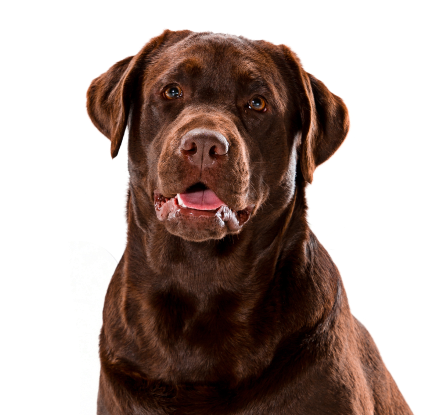
Event Image

Holiday Pet Photo Contest

Holiday Pet Photo Contest

Enter to win by 10/27/2017 at any of our locations!

Up to 5 winners per location!  Winners of the drawing will be notified via email on or around 10/31/2017.

Portrait Sessions for all winners will be held on:

  • Friday November 10th, 9am – 11:30am at North Bay (Town n Country Westchase Area)
  • Friday November 10th, 2pm – 4:30pm at All Creatures (Lutz/Pasco)
  • Saturday November 11th, 9:30am – 4:00pm at Pebble Creek (New Tampa / Wesley Chapel)

All winners will receive a link to sign up for a session on one of the days/locations above.

Contest rules for random draw:
 
How to Enter: Visit your Tampa Bay Vets Hospital of Choice and complete an entry form. All entrants must have a valid email address. Only fully completed entry forms are eligible. Limit one (1) entry per patient may be submitted. Tampa Bay Vets is not responsible for lost, late, illegible, stolen, incomplete, invalid, unintelligible, misdirected, or garbled entries, which will be disqualified.
Start/End Dates: Contest begins on 10/1/2017 and ends on 10/27/2017.
Random Drawing/Odds: Up to five (5) winners will be selected at each location in a random drawing from all eligible entries received at each location by close of business on 10/27/2017. Odds of winning depend on the number of eligible entries received during the contest period at each location. The photographer will notify selected entrants by email.
Prizes: To show their appreciation, each Tampa Bay Vets location is covering the cost of a portrait session (value $200) and one high resolution digital image (Value $50) with limited release for each winner. Additional images may be purchased.
Rights: All Images and rights relating to them, including copyright and ownership rights remain the sole and exclusive property of Tampa Bay Vets and DaBiri Designs. Clients, however, are granted a limited release to copy, post, and distribute their prize image for personal and self-promotional use. Winners may not use images for commercial or editorial purposes, or enter images into competition without the express written permission of DaBiri Designs.
Notification: Selected entrants will be notified by email. A link to register for their portrait session will be included in the notification email. Winners must register for their session by the date stated in the notification email or they will be disqualified.
Conditions: By entering the Contest, entrants fully and unconditionally agree to be bound by these rules and the decisions of the judges, which will be final and binding in all matters relating to the Contest. Participation in Contest and acceptance of prize constitutes each winner’s permission for Tampa Bay Vets and Dabiri Designs to use his/her name, address (city and province), likeness, photograph, picture, portrait, voice, biographical information and/or any statements made by each winner regarding the Contest or Sponsor for advertising and promotional purposes without notice or additional compensation, except where prohibited by law. By participating, entrants, and winners agree to release and hold harmless Tampa Bay Vets and DaBiri Designs, its advertising and promotion agencies and their respective parent companies, subsidiaries, affiliates, partners, representatives, agents, successors, assigns, employees, officers and directors, from any and all liability, for loss, harm, damage, injury, cost or expense whatsoever including without limitation, property damage, personal injury and/or death which may occur in connection with participation in this contest, or possession, acceptance and/or use or misuse of prize or participation in any Contest-related activity and for any claims based on publicity rights, defamation or invasion of privacy and merchandise delivery. Entrants who do not comply with these Official Rules or attempt to interfere with this Contest in any way shall be disqualified.
Upcoming Events:
No upcoming events found
Old Events:
July 30 / 8:00 am - October 1 / 12:00 pm
July 1 / 7:00 am - July 1 / 8:00 pm
December 1 / 12:00 am - December 23 / 12:00 am
November 30 / 11:00 am - December 1 / 5:00 pm
Scroll To Top

You assessed your cat's body condition score (BCS) to be to be 3 out of 9.

What does this mean? The BCS is an assessment of your cat’s general body composition, including muscle and fat. While a score of 4 to 5 is ideal, a BCS of 3 indicates that your cat is thin.

What to do next: While thin cats are generally at lower risk for serious health issues compared to overweight cats, being underweight can lead to decreased muscle mass, malnutrition, and a weakened immune system. Unless there is an underlying reason for your cat’s thinness, the situation can often be improved with simple lifestyle adjustments, such as:

  • Offering a palatable diet recommended by your veterinarian
  • Feeding small, frequent meals
  • Stimulating the appetite by warming the food or introducing toppers
  • Minimizing stress
  • Weighing your cat monthly
  • Re-checking your cat's BCS at home
  • Staying alert to other health changes (especially continued weight loss and appetite loss)

Your cat's BCS provides valuable insights into their overall health and helps us spot potential issues early. While a BCS of 3 isn’t an immediate cause for concern, it’s a sign that small adjustments to their feeding and care routine could have a positive impact on their health.

Questions? We can help. Let’s work together to score a win for your cat's health.

You assessed your cat's body condition score (BCS) to be to be 6 out of 9.

What does this mean? The BCS is an assessment of your cat’s general body composition, including muscle and fat. While a score of 4 to 5 is ideal, a BCS of 6 indicates that your cat is borderline overweight.

What to do next: Simple daily actions can help prevent your cat from becoming overweight. Even a few extra ounces or pounds can significantly impact their health, increasing the risk of serious conditions like diabetes, arthritis, and kidney disease.

Restore your cat's future health by:

  • Feeding portioned meals (Your veterinarian can assist you with how much to feed)
  • Reducing stress by minimizing household changes and maintaining a routine
  • Decreasing boredom with interactive toys, social interaction, and cat furniture
  • Separating pets during meal time (Consider a microchip-linked feeder for multi-cat households)
  • Weighing them monthly
  • Re-checking your cat's BCS at home

Your cat's BCS is like a warning light for their future health. Taking proactive steps to address your cat’s weight can minimize future complications and help ensure they stay fit, agile, and healthy.

Curious about other ways to improve your cat’s BCS and overall well-being? Get in touch. Let’s work together to score a win for their health.

You assessed your dog's body condition score (BCS) to be to be 4-5 out of 9.

What does this mean? The BCS is an assessment of general body composition, including muscle and fat. On a scale of 1 to 9, with 1 being very thin and 9 being obese, your dog's score means they are at their ideal weight for optimal health and well-being!

What to do next: First, give your dog a scratch behind the ears to celebrate your success! Your commitment to their preventive health—regular vet visits, balanced nutrition, and consistent exercise—is truly paying off. But don’t relax just yet—maintaining a healthy BCS takes ongoing effort throughout your dog's life, including:

  • Feeding portioned meals
  • Avoiding high-calorie treats, diets, and people food
  • Staying active with regular exercise
  • Re-checking your pet’s BCS monthly at home
  • Staying on top of routine care (exams, screening tests) to ensure early detection of health changes

Just like your dog's vital signs, their BCS gives valuable insight into their overall health. Right now, we like what we see—and feel! But remember, supporting your dog's lifelong health is a team effort. By continuing the great work you’re doing and partnering with us, we can help ensure they stay healthy for years to come.

You assessed your cat's body condition score (BCS) to be to be 7-8 out of 9.

What does this mean? The BCS is an assessment of your cat’s general body composition, including muscle and fat. While a score of 4 to 5 is ideal, a BCS of 7-8 indicates that your cat is overweight.

What to do next: Weight issues are a common cause of many feline health problems, some of which can shorten a cat's life. Fortunately, with your dedication and our support, your cat can achieve better health, mobility, and an ideal body weight.

Rather than asking your cat to participate in daily exercise, feline weight loss emphasizes targeted nutrition and stress reduction to help them shed those unwanted pounds. This entails:

  • Offering a palatable weight-management diet recommended by your veterinarian
  • Feeding portioned meals (Your veterinarian can assist you with how much to feed)
  • Using a microchip-linked feeder for multi-cat households to ensure each cat consumes their veterinarian-recommended portion
  • Minimizing stress by maintaining a stable routine
  • Decreasing boredom through positive interactions such as interactive toys, food puzzles, cat-friendly furniture, and social bonding
  • Promoting movement with motion-activated food toys and puzzles
  • Weighing them monthly
  • Re-checking their BCS at home

Overweight cats not only face long-term health risks but can also suffer from discomfort and emotional stress. Intentional, veterinary-supervised changes can help ensure your cat’s fitness, comfort, and overall well-being for years to come. Let’s work together to score a win for your cat's health.

You assessed your dog's body condition score (BCS) to be to be 3 out of 9.

What does this mean? The BCS is an assessment of general body composition, including muscle and fat. While a score of 4 to 5 is ideal, a BCS of 3 indicates that your dog is thin.

What to do next: Although a lean body condition is healthier than being overweight, thinness can indicate muscle loss, health changes, or a lack of appropriate nutrition. Here are a few ways to help your dog reach their optimal weight and health:

  • Follow any recommendations given by your vet (these are personalized for your dog's unique needs)
  • Gradually transition your dog to a calorie-dense diet
  • Weigh them monthly
  • Re-check their BCS at home
  • Provide regular moderate exercise to build healthy muscle
  • Monitor them for other health changes (appetite loss, vomiting, unusual stools, fatigue, etc.)

Just like your dog's vital signs, their BCS gives valuable insight into their overall health and can help identify potential issues early. While a BCS of 3 isn't a serious concern, it suggests that your dog may benefit from adjustments to their diet and exercise routine. Please continue to monitor your dog for any other health changes—including difficulty gaining weight—as these could indicate the need for further evaluation. Let’s work together to help your dog achieve better health, so you can make the most of every moment together.

Now that’s a perfect score.

You assessed your dog's body condition score (BCS) to be to be 9 out of 9.

What does this mean? The BCS is an assessment of general body composition, including muscle and fat. While a score of 4 to 5 is ideal, a BCS of 9 indicates that your dog is obese (weighing 20% or more above their ideal weight).

What to do next: Dogs with obesity are in significant danger of many life-altering health conditions, including arthritis, cardiovascular problems, kidney disease, and cancer. Reducing your dog's weight and improving their body condition is critical to restoring their comfort, mobility, health, and longevity.

Take action today to protect your dog's  health by:

  • Following any veterinarian’s recommendations (these are personalized to your dog's unique needs)
  • Using a measuring cup to portion meals
  • Removing uneaten food after 20 minutes
  • Limiting treats to low-calorie fruits or vegetables
  • Exercising daily for at least 30 minutes (leash walks are a great way to start)
  • Weigh them  monthly
  • Re-check their BCS at home

Just like your dog's vital signs, their BCS gives valuable insight into their overall health. In your dog's case, it’s a signal for immediate action.

By following the steps above and your veterinarian’s recommendations, getting your dog back to a healthy weight is possible, but it will take time and effort. That’s why we’re here to help you every step of the way.

Let’s work together to score a WIN for Sydney’s health.

You assessed your cat's body condition score (BCS) to be 1–2 out of 9.

What does this mean? The BCS is an assessment of your cat’s general body composition, including muscle and fat. While a score of 4 to 5 is ideal, a BCS of 1 to 2 indicates that your cat is very thin, at least 20% below their ideal weight. This may be caused by poor nutrition or an underlying illness.

What to do next: Since a BCS of 1 to 2 can indicate potential health concerns, your cat's veterinarian may suggest blood work or other tests.

In addition to following any plan outlined by your cat's veterinarian, the following steps may help them achieve their ideal weight and BCS:

  • Offering a palatable diet recommended by your veterinarian
  • Feeding small, frequent meals
  • Warming the food or introducing toppers
  • Feeding pets separately
  • Minimizing stress
  • Weighing them  monthly
  • Re-checking their BCS at home
  • Watching for other concerning signs, such as loss of appetite, vomiting, or changes in litter box habits, as these may require prompt veterinary care.

Just like your cat's vital signs, their BCS offers important insight into their overall health. While a BCS of 1 to 2 can be concerning, we’ll work together to help your cat safely achieve their optimal weight and vitality.

You assessed your dog's body condition score (BCS) to be to be 6 out of 9.

What does this mean? The BCS is an assessment of general body composition, including muscle and fat. While a score of 4 to 5 is ideal, a BCS of 6 indicates that your dog is borderline overweight.

What to do next: With just a few pounds separating your dog from being overweight, a BCS of 6 is a clear call to action! Excess weight can increase their risk for serious health problems, such as arthritis, heart disease, and even cancer, and studies have shown that it can shorten their lifespan.

Here are a few ways to help Gigi reach their ideal weight:

  • Follow any recommendations given by your veterinarian (these are personalized for your dog's unique needs!)
  • Use a measuring cup to portion meals
  • Don’t leave food out all day
  • Weigh them monthly
  • Re-check their BCS at home
  • Provide regular moderate exercise to build healthy muscle

Just like your dog's vital signs, their BCS gives valuable insight into their overall health and and can help identify potential issues early. While a BCS of 6 isn't dangerous, it does raise their risk for many life-altering conditions and signals a need for change.

Let’s work together to help your dog achieve a better BCS and overall wellness, so you can make the most of every moment together.

Now that’s a perfect score!

You assessed your dog's body condition score (BCS) to be to be 7-8 out of 9.

What does this mean? The BCS is an assessment of general body composition, including muscle and fat. While a score of 4 to 5 is ideal, a BCS of 7 to 8 indicates that your dog is overweight.

What to do next: Your dog's weight is putting them at an increased risk for many serious conditions, including arthritis, diabetes, cancer, and heart disease. Overweight dogs are also clinically shown to have a shorter lifespan and a reduced quality of life.

Thankfully, it’s not too late to get back on track! Here are some simple steps to help your dog achieve a better BCS and a healthier life:

Here are a few ways to help them reach their ideal weight:

  • Reduce meal portions by 10% to 20%
  • Use a measuring cup for accuracy
  • Switch to a weight management diet
  • Swap treats for low-calorie fruits and veggies
  • Increase daily walks and playtime
  • Use a food-dispensing toy instead of a bowl to encourage movement
  • Weigh them monthly
  • Re-check their BCS at home

Just like your dog's vital signs, their BCS gives valuable insight into their overall health and quality of life. The actions you take in the days, weeks, and months ahead can help them slim down, restore their well-being, and allow you both to make the most of every moment together.

Let’s work together to score a WIN for your dog's health and happiness.

Now that’s a perfect score!

You assessed their body condition score (BCS) to be to be 9 out of 9.

What does this mean? The BCS is an assessment of your cat’s general body composition, including muscle and fat. While a score of 4 to 5 is ideal, a BCS of 9 indicates that your cat is obese (20% or more over their ideal body weight).

What to do next: Cats with obesity are in a health crisis. Excess weight strains their joints, leading to painful and decreased mobility. In addition, abundant fat tissue increases their risk for life-altering diseases like diabetes, arthritis, kidney disease, heart disease, and cancer.

Let their BCS be a turning point in their health.

With simple lifestyle changes and guided support from our team, we can restore your cat's quality of life and help them lose those unnecessary pounds.

We’ll focus on nutrition and stress reduction to create positive results. This includes:

  • Offering a palatable weight-management diet recommended by your veterinarian
  • Feeding portioned meals (Your veterinarian can assist you with how much to feed)
  • Using a microchip-linked feeder for multi-cat households to ensure each cat consumes their veterinarian-recommended portion
  • Minimizing stress in your cat’s environment
  • Decreasing boredom through positive interactions (interactive toys, food puzzles, cat-friendly furniture, and social bonding)
  • Encouraging healthy movement and exploration (motion-activated toys, food puzzles, ramps to perches, scratching posts, cat tunnels)
  • Weighing them monthly
  • Re-checking their BCS at home

Your cat’s body condition is a key factor in their health and longevity. Together, we can score a victory by helping them lose weight and reclaim their health, happiness, and mobility.

You assessed your cat's body condition score (BCS) to be 4-5 out of 9.

What does this mean? The BCS is an assessment of your cat’s general body composition, including muscle and fat. On a scale of 1–9, with 1 being very thin and 9 being obese, this score means they are at their ideal weight for optimal health and well-being!

What to do next: First, give your cat a head bump or a scratch to celebrate your success! Your dedication to their overall health—through regular vet visits, balanced and portion-controlled nutrition, a low-stress environment, and plenty of physical and mental activity—is truly paying off.

But don’t relax just yet—maintaining your cat’s healthy BCS will take ongoing effort throughout their lifetime. Keep up the good work by:

  • Minimizing stress
  • Creating a mentally and physically stimulating environment
  • Satisfying your cat’s social needs with one-on-one time
  • Encouraging movement with interactive toys, perches, and furniture
  • Feeding measured portions of a veterinarian-recommended, high quality, palatable diet
  • Checking your cat’s BCS monthly at home
  • Staying on top of routine veterinary care

Just like your cat's vital signs, their BCS gives us valuable insight into their overall health. Right now, we like what we see—and feel! But remember, supporting your cat's lifelong health is a team effort. By continuing the great work you’re doing and partnering with us, we can help ensure they stay healthy for years to come.

You assessed your dog's body condition score (BCS) to be 1–2 out of 9.

What does this mean? The BCS is an assessment of general body composition, including muscle and fat. While a score of 4 to 5 is ideal, BCS of 1 to 2 indicates that your dog is very thin, at least 20% below their ideal weight. This may be caused by poor nutrition or an underlying illness.

What to do next: Since a BCS of 1 to 2 can indicate potential health concerns, your dog's veterinarian may suggest  blood work or other tests.

If no issues are found, the following steps may help your dog achieve their ideal weight and BCS:

  • Gradually transitioning them to a calorie-dense diet
  • Feeding more frequent meals
  • Weighing them monthly
  • Re-checking their BCS at home
  • Providing regular moderate exercise to build healthy muscle
  • Monitoring them for other health changes (appetite loss, vomiting, unusual stools, fatigue, etc.)

Just like your dog's vital signs, their BCS offers important insight into their overall health and can serve as an early warning that something may be wrong. While a BCS of 1 to 2 can be concerning, please know that your pet's well-being is our top priority. Let’s work together to help your pet pal achieve better health, so you can make the most of every moment together.