Is That a Lump? Understanding Mass Removals in Pets
One moment you’re peacefully petting your dog or cat, when suddenly you feel a bump or a lump that wasn’t there before.
You pause, panic a little, and then perhaps decide to “keep an eye on it.” You tell yourself you’ll schedule an appointment if something changes.
Unfortunately, this approach can be problematic. Here’s why Tampa Bay Animal Hospitals recommends timely care for any lump, bump, or mass.
What is it? Understanding lumps and bumps
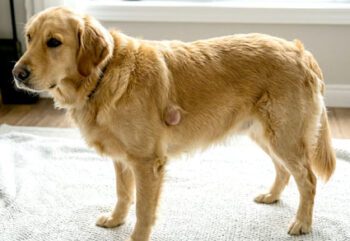 Lumps and bumps, formally referred to as masses, are raised or thickened areas of tissue that form on, under, or within the layers of your pet’s skin. They may appear suddenly or develop gradually and can occur as a single growth or in multiple areas. They vary widely in size, shape, texture, and appearance—some feel soft and movable, while others are firm or fixed in place. The term “mass” simply describes an abnormal growth of tissue and does not indicate whether it is benign (harmless) or serious.
What causes these changes? Types of masses
Pets can develop a variety of masses. The most common types include:
- Lipomas — Soft, slightly movable masses of fat tissue (lipids), which are generally benign and slow-growing
- Cysts — Fluid-filled pockets that can change in size
- Abscesses — Areas of trapped infection that may be warm, swollen, or drain to the outside
- Warts or growths — Small, sometimes crusty lesions that vary in shape and texture
- Firm or fixed masses — Immobile lumps that arise from deeper layers of tissue
While understanding the different types of masses can be helpful, the appearance or feel of a mass cannot determine its cause or risk. Your veterinarian will need to take a sample to provide an accurate diagnosis.
What now? Why “wait and see” isn’t the best plan
There are several reasons we recommend scheduling an exam after you find a new mass, lump, or growth on your pet.
#1: Diagnosis
After examining your pet and the area of concern, your veterinarian will collect a sample of the mass. This may involve inserting a needle into the mass or, if it’s closer to the skin, gently scraping cells onto a glass slide. The cells can then be reviewed under a microscope or sent to a pathologist to determine the type of mass and whether it is cancerous.
#2: Mapping and measuring
Your veterinarian may take notes or pictures of your pet’s mass for future reference. Taking notes on its precise location and measurements can help track growth or changes and provide the pathologist with helpful information.
#3: Planning and removal
In many cases, removal is the best treatment option. The reasoning for this will vary for each pet and the type of mass, but can include:
- Removal of cancerous tissue — If cancer is confirmed or suspected, surgical removal is a critical part of treatment.
- Location — Larger masses can interfere with your pet’s movement, breathing, or comfort, affecting their quality of life. Others may create pressure on certain organs or internal structures.
- Poor sampling — Sometimes a growth or mass can’t be adequately sampled or biopsied while the pet is awake. When sedation or general anesthesia is necessary for a biopsy, complete removal is not only convenient and economical but also beneficial for the pet.
- Cosmetic reasons — Some pet parents are upset by the appearance of a benign growth and will elect to have it removed.
- Irritation or infection — If your pet is constantly biting or licking the growth, or if it keeps breaking open or oozing, removing it can help stop the irritation and prevent infection.
- Peace of mind — Lumps, bumps, and masses can change over time and even become cancerous. Removal eases worry and ensures you won’t miss something important.
What to expect from your pet’s mass removal
Depending on your pet’s mass and overall health, removal can be a simple outpatient procedure using sedation or a more complex surgery under general anesthesia. In either case, there are a few considerations to help you prepare:
- Pain management — Your veterinarian may use a local anesthetic to numb the area or intravenous (IV) pain medication in the hospital. You may need to give additional oral medications at home while your pet heals.
- Wound care — You’ll need to care for the incision or surgery site. Specific instructions will be provided.
- Monitoring — In addition to watching for discomfort and incision complications, your veterinarian may instruct you to monitor the area for regrowth.
- Follow-up (if cancerous) — Depending on your pet’s diagnosis, next steps may include additional surgery, lab work, chemotherapy, or radiation.
Concerned? Let us help
Unusual lumps, bumps, and masses on your pet can be harmless or serious, but the only way to know the difference is with timely veterinary care. If you’re concerned about a change in your pet’s health, don’t wait—contact the team at your preferred Tampa Bay Animal Hospitals location or book an appointment online to schedule your visit.
- Behavior (15)
- Caring for your pet (302)
- cat (24)
- Community Events (20)
- dog (25)
- From Our Clients (15)
- Happy Tails (13)
- News (466)
- Press (53)
- Products (2)
- Questions (4)
- Recalls (1)
- Special Offers (6)
- Tips & Advice (232)
- Uncategorized (23)
- Veterinary Services (50)
