Privacy Policy

Website Privacy Policy

Effective Date: August 11, 2026

Tampa Bay Veterinary Medical Group, Tampa Bay Veterinary Group, Tampa Bay Animal Hospitals, and the affiliated veterinary hospitals listed on TampaBayVets.net (collectively, “Tampa Bay Veterinary Medical Group,” “we,” “us,” or “our”) respect your privacy and are committed to protecting your personal information.

This Privacy Policy explains how we collect, use, disclose, retain, and safeguard information when you visit TampaBayVets.net, contact one of our hospitals, schedule an appointment, submit a form, opt in to receive text messages, use our online services, or otherwise interact with us.

1. Who We Are

Tampa Bay Veterinary Medical Group is based in the Tampa Bay, Florida area and operates or is affiliated with veterinary hospitals serving Tampa and surrounding communities.

This Privacy Policy applies to the veterinary hospitals listed on TampaBayVets.net, including:

  • North Bay Animal Hospital
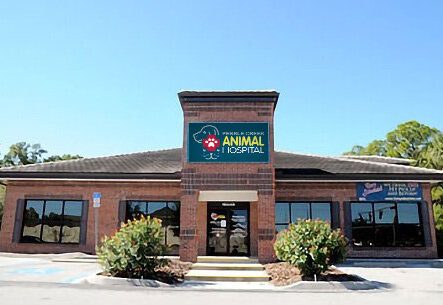
  • Pebble Creek Animal Hospital
  • Temple Terrace Animal Hospital
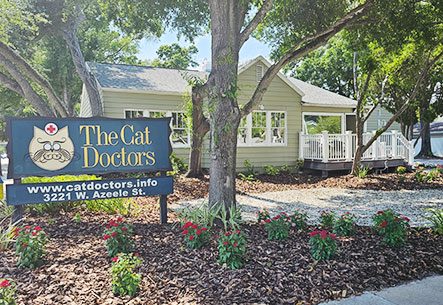
  • The Cat Doctors
  • Caladesi Animal Hospital
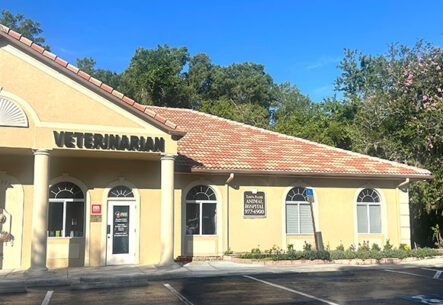
  • Tampa Palms Animal Hospital
  • All Creatures Animal Hospital
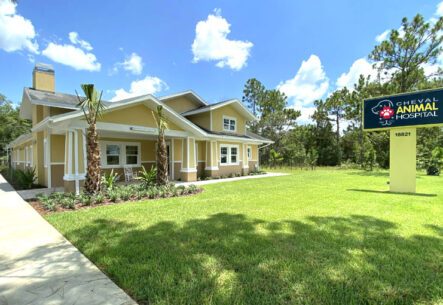
  • Cheval Animal Hospital
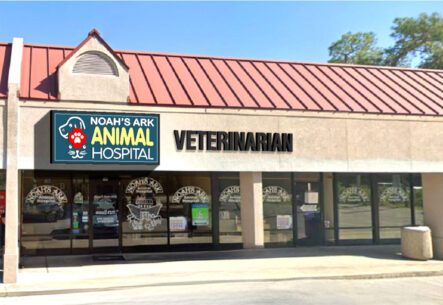
  • Noah’s Ark Animal Hospital

It also applies to additional or successor affiliated hospitals identified on TampaBayVets.net from time to time.

2. Information We Collect

We may collect information about you in several ways.

Personal Information

When you contact us, request an appointment, become a client, complete a form, make a payment, request a prescription, or otherwise use our services, we may collect:

  • Name
  • Email address
  • Telephone or mobile phone number
  • Mailing address
  • Preferred hospital or veterinary provider
  • Pet name and identifying information
  • Pet species, breed, age, sex, weight, and medical information
  • Appointment and service requests
  • Prescription and pharmacy information
  • Payment and billing information
  • Information contained in communications you send to us
  • Any other information you voluntarily provide

Payment card information may be processed directly by third-party payment processors and may not be stored directly by us.

Communications

We may collect information contained in:

  • Website contact forms
  • Appointment requests
  • New-client forms
  • Patient forms
  • Prescription refill requests
  • Emails
  • Telephone calls and voicemail
  • Text or SMS messages
  • Patient portal or mobile application communications
  • Surveys, reviews, or other feedback

Automatically Collected Information

When you visit our website or interact with our digital services, certain information may be collected automatically, including:

  • IP address
  • Browser type
  • Device type
  • Operating system
  • General geographic location
  • Referring website or search terms
  • Pages viewed
  • Links clicked
  • Time and date of visits
  • Website usage information
  • Cookie and similar technology identifiers

3. How We Use Your Information

We may use the information we collect to:

  • Schedule and manage veterinary appointments
  • Create and maintain client and patient records
  • Provide veterinary care and related services
  • Communicate with you regarding your pet’s care
  • Send appointment confirmations and reminders
  • Provide preventive care and follow-up reminders
  • Respond to questions and service requests
  • Process prescription and pharmacy requests
  • Process payments
  • Provide customer support
  • Maintain veterinary and business records
  • Send operational or service-related communications
  • Send educational or promotional communications when permitted
  • Send SMS or text messages when you have opted in to receive them
  • Improve our website, services, and client experience
  • Detect or prevent fraud, misuse, or security incidents
  • Comply with legal, regulatory, professional, and recordkeeping obligations

4. SMS / Text Messaging Privacy

If you opt in to receive SMS or text messages from Tampa Bay Veterinary Medical Group or one of our affiliated hospitals, we may collect:

  • Your mobile phone number
  • Your consent to receive SMS messages
  • Records relating to your opt-in or opt-out preferences
  • Messages exchanged between you and our hospital or communication platform

We may use SMS messaging to provide:

  • Appointment confirmations and reminders
  • Preventive care reminders
  • Prescription or pharmacy notifications
  • Service updates
  • General two-way client communications
  • Hospital announcements
  • Educational communications
  • Promotional or marketing communications when you have consented to receive them

No mobile information will be shared with third parties or affiliates for marketing or promotional purposes.

Text messaging originator opt-in data and consent will not be shared with any third parties for their own marketing or promotional purposes.

We may disclose mobile information to service providers that assist us in delivering SMS messages or operating our communications systems, but only as reasonably necessary to provide those services on our behalf.

You may opt out of SMS messages at any time by replying STOP to a message.

For assistance, reply HELP or contact the applicable Tampa Bay Veterinary Medical Group hospital.

Message frequency varies. Message and data rates may apply.

Opting out of SMS communications does not prevent us from contacting you through other appropriate methods when necessary to provide veterinary care or respond to a request.

5. Marketing Communications

Where permitted, we may send educational, promotional, or marketing communications by:

  • Email
  • SMS or text message
  • Telephone
  • Other electronic communication services

You may opt out of marketing emails using the unsubscribe instructions included in the message.

You may opt out of SMS marketing messages by replying STOP.

Opting out of marketing communications does not affect communications that are necessary for veterinary care, appointment administration, billing, prescriptions, safety, or other non-marketing services.

6. How We Share Information

We do not sell or rent personal information.

We may share information in limited circumstances, including:

  • With veterinarians, veterinary technicians, and team members involved in providing services
  • Among affiliated Tampa Bay Veterinary Medical Group hospitals when reasonably necessary for veterinary care or operations
  • With veterinary laboratories, pharmacies, specialists, referral hospitals, and other providers involved in your pet’s care
  • With service providers that assist us with practice management, communications, payment processing, scheduling, website operations, data storage, or similar business functions
  • When you request or authorize the disclosure
  • When required by law, subpoena, regulation, court order, or governmental authority
  • When reasonably necessary to protect the safety, property, or legal rights of our hospitals, employees, clients, patients, or others
  • In connection with a merger, acquisition, sale, restructuring, or other business transaction

SMS Information

Notwithstanding the above, mobile phone numbers, SMS opt-in information, and SMS consent information will not be shared with third parties or affiliates for their own marketing or promotional purposes.

This restriction does not prevent us from using service providers that process SMS information solely to provide communications or related services on our behalf.

7. Third-Party Service Providers

We may use third-party providers for services including:

  • Veterinary practice management
  • Medical record management
  • Online appointment scheduling
  • Client communication
  • SMS and email messaging
  • Payment processing
  • Online pharmacy services
  • Prescription fulfillment
  • Website hosting
  • Cloud data storage
  • Website analytics
  • Cookie management
  • Marketing services
  • Cybersecurity
  • Client portals and mobile applications

These providers may process information as necessary to perform services on our behalf.

Third-party services may have separate privacy policies and terms. We encourage you to review those policies before submitting information directly to a third-party service.

8. Data Retention

We retain personal information for as long as reasonably necessary to:

  • Provide veterinary care
  • Maintain client and patient records
  • Satisfy veterinary medical record requirements
  • Process transactions
  • Respond to client requests
  • Maintain business records
  • Resolve disputes
  • Prevent fraud or misuse
  • Enforce our policies
  • Comply with legal, regulatory, tax, accounting, insurance, and professional obligations

Information submitted through forms or communications may become part of the client or patient record.

Veterinary medical records may be subject to legal and professional retention requirements and may not be eligible for deletion even when other personal information can be deleted or inactivated.

9. Data Security

We use reasonable administrative, technical, and physical safeguards designed to protect personal information from unauthorized access, disclosure, alteration, destruction, or misuse.

These safeguards may include:

  • Access controls
  • Password and authentication protections
  • Vendor security safeguards
  • Employee training
  • Data backups
  • System monitoring
  • Other reasonable security practices

No electronic transmission, website, database, or storage system can be guaranteed to be completely secure, and we cannot guarantee absolute security.

10. Cookies and Tracking Technologies

Our website may use cookies, pixels, tags, analytics tools, and similar technologies to:

  • Operate website features
  • Remember preferences
  • Understand website usage
  • Analyze traffic
  • Improve website performance
  • Measure communications and advertising effectiveness

Cookies may include functional, preference, analytics, statistics, or marketing cookies.

Where available, you may use our website cookie controls to manage certain categories of cookies.

You may also configure your browser to block or delete cookies, although some website features may not function properly if cookies are disabled.

11. Third-Party Links

TampaBayVets.net may link to third-party websites and services, including:

  • Online pharmacies
  • Payment providers
  • Financing providers
  • Appointment platforms
  • Social media
  • Mapping services
  • Veterinary resources

We are not responsible for the privacy, security, or content practices of independent third-party websites or services.

12. Children’s Privacy

Our websites and services are intended for adult pet owners and are not directed to children under 13.

We do not knowingly collect personal information directly from children under 13 through our websites.

If we learn that we have collected such information without appropriate authorization, we will take reasonable steps to delete it where required.

13. Your Rights and Choices

Subject to applicable law and veterinary record requirements, you may be able to:

  • Request access to personal information we maintain about you
  • Request correction of inaccurate information
  • Update your contact information
  • Request account inactivation
  • Request deletion of certain information
  • Withdraw consent to certain communications
  • Opt out of marketing emails
  • Opt out of SMS messages by replying STOP
  • Manage certain cookie preferences
  • Ask questions about how your information is collected, used, or disclosed

Certain information may need to be retained due to veterinary medical record requirements, legal obligations, regulatory requirements, or legitimate business needs.

14. Florida Residents

Tampa Bay Veterinary Medical Group is based in the Tampa Bay, Florida area and primarily serves clients in Florida.

We handle personal information in accordance with applicable federal and Florida law.

Where an applicable privacy law provides additional rights, qualifying requests will be addressed as required by law.

15. SMS Terms and Conditions

Use of our SMS messaging program is also subject to our SMS Terms & Conditions, which are incorporated into this Privacy Policy by reference.

The SMS Terms & Conditions explain matters including:

  • Consent to receive messages
  • Types of messages sent
  • Message frequency
  • Message and data rates
  • Opt-out procedures
  • HELP instructions
  • Carrier and delivery limitations

The current SMS Terms & Conditions may be made available on TampaBayVets.net.

16. Changes to This Privacy Policy

We may update this Privacy Policy from time to time to reflect changes to our services, technology, affiliated hospitals, legal requirements, or business practices.

Changes will be posted on TampaBayVets.net with an updated effective date.

17. Contact Us

For questions, concerns, or requests regarding this Privacy Policy, please contact:

Tampa Bay Veterinary Medical Group 

Admin@TampaBayVets.net
Tampa, Florida
Website: TampaBayVets.net

You may also contact the individual Tampa Bay Veterinary Medical Group hospital where you receive veterinary services.

For SMS support, reply HELP to a message or contact your applicable hospital.

Locations:
(Town 'n' Country / Westchase)
9801 West Hillsborough Ave.
Tampa, FL 33615 (View map)
813-885-4477 (Se Habla Español)
(New Tampa / Wesley Chapel)
19440 Bruce B Downs Blvd
Tampa, FL 33647 (View map)
813-973-8566 (Se Habla Español)
(East Tampa / Near USF)
5023 East Busch Blvd
Tampa, FL 33617 (View map)
813-988-1189 (Se Habla Español)
(South Tampa)
3221 W. Azeele St.
Tampa, FL 33609 (View map)
(Dunedin)
903 Curlew Road
Dunedin, FL 34698 (View map)
727-733-9395 (Se Habla Español)
(Tampa Palms / New Tampa)
15303 B Amberly Drive
Tampa, FL 33647 (View map)
813-977-4900 (Se Habla Español)
(Lutz / Greater Northdale)
105 Sunset Lane
Lutz, FL 33549 (View map)
(Lutz / Tampa)
18821 N. Dale Mabry Hwy
Lutz, FL 33548 (View map)
(Valrico / Riverview)
4338 Bell Shoals Road
Valrico, FL 33549 (View map)
Scroll To Top

You assessed your cat's body condition score (BCS) to be to be 3 out of 9.

What does this mean? The BCS is an assessment of your cat’s general body composition, including muscle and fat. While a score of 4 to 5 is ideal, a BCS of 3 indicates that your cat is thin.

What to do next: While thin cats are generally at lower risk for serious health issues compared to overweight cats, being underweight can lead to decreased muscle mass, malnutrition, and a weakened immune system. Unless there is an underlying reason for your cat’s thinness, the situation can often be improved with simple lifestyle adjustments, such as:

  • Offering a palatable diet recommended by your veterinarian
  • Feeding small, frequent meals
  • Stimulating the appetite by warming the food or introducing toppers
  • Minimizing stress
  • Weighing your cat monthly
  • Re-checking your cat's BCS at home
  • Staying alert to other health changes (especially continued weight loss and appetite loss)

Your cat's BCS provides valuable insights into their overall health and helps us spot potential issues early. While a BCS of 3 isn’t an immediate cause for concern, it’s a sign that small adjustments to their feeding and care routine could have a positive impact on their health.

Questions? We can help. Let’s work together to score a win for your cat's health.

You assessed your cat's body condition score (BCS) to be to be 6 out of 9.

What does this mean? The BCS is an assessment of your cat’s general body composition, including muscle and fat. While a score of 4 to 5 is ideal, a BCS of 6 indicates that your cat is borderline overweight.

What to do next: Simple daily actions can help prevent your cat from becoming overweight. Even a few extra ounces or pounds can significantly impact their health, increasing the risk of serious conditions like diabetes, arthritis, and kidney disease.

Restore your cat's future health by:

  • Feeding portioned meals (Your veterinarian can assist you with how much to feed)
  • Reducing stress by minimizing household changes and maintaining a routine
  • Decreasing boredom with interactive toys, social interaction, and cat furniture
  • Separating pets during meal time (Consider a microchip-linked feeder for multi-cat households)
  • Weighing them monthly
  • Re-checking your cat's BCS at home

Your cat's BCS is like a warning light for their future health. Taking proactive steps to address your cat’s weight can minimize future complications and help ensure they stay fit, agile, and healthy.

Curious about other ways to improve your cat’s BCS and overall well-being? Get in touch. Let’s work together to score a win for their health.

You assessed your dog's body condition score (BCS) to be to be 4-5 out of 9.

What does this mean? The BCS is an assessment of general body composition, including muscle and fat. On a scale of 1 to 9, with 1 being very thin and 9 being obese, your dog's score means they are at their ideal weight for optimal health and well-being!

What to do next: First, give your dog a scratch behind the ears to celebrate your success! Your commitment to their preventive health—regular vet visits, balanced nutrition, and consistent exercise—is truly paying off. But don’t relax just yet—maintaining a healthy BCS takes ongoing effort throughout your dog's life, including:

  • Feeding portioned meals
  • Avoiding high-calorie treats, diets, and people food
  • Staying active with regular exercise
  • Re-checking your pet’s BCS monthly at home
  • Staying on top of routine care (exams, screening tests) to ensure early detection of health changes

Just like your dog's vital signs, their BCS gives valuable insight into their overall health. Right now, we like what we see—and feel! But remember, supporting your dog's lifelong health is a team effort. By continuing the great work you’re doing and partnering with us, we can help ensure they stay healthy for years to come.

You assessed your cat's body condition score (BCS) to be to be 7-8 out of 9.

What does this mean? The BCS is an assessment of your cat’s general body composition, including muscle and fat. While a score of 4 to 5 is ideal, a BCS of 7-8 indicates that your cat is overweight.

What to do next: Weight issues are a common cause of many feline health problems, some of which can shorten a cat's life. Fortunately, with your dedication and our support, your cat can achieve better health, mobility, and an ideal body weight.

Rather than asking your cat to participate in daily exercise, feline weight loss emphasizes targeted nutrition and stress reduction to help them shed those unwanted pounds. This entails:

  • Offering a palatable weight-management diet recommended by your veterinarian
  • Feeding portioned meals (Your veterinarian can assist you with how much to feed)
  • Using a microchip-linked feeder for multi-cat households to ensure each cat consumes their veterinarian-recommended portion
  • Minimizing stress by maintaining a stable routine
  • Decreasing boredom through positive interactions such as interactive toys, food puzzles, cat-friendly furniture, and social bonding
  • Promoting movement with motion-activated food toys and puzzles
  • Weighing them monthly
  • Re-checking their BCS at home

Overweight cats not only face long-term health risks but can also suffer from discomfort and emotional stress. Intentional, veterinary-supervised changes can help ensure your cat’s fitness, comfort, and overall well-being for years to come. Let’s work together to score a win for your cat's health.

You assessed your dog's body condition score (BCS) to be to be 3 out of 9.

What does this mean? The BCS is an assessment of general body composition, including muscle and fat. While a score of 4 to 5 is ideal, a BCS of 3 indicates that your dog is thin.

What to do next: Although a lean body condition is healthier than being overweight, thinness can indicate muscle loss, health changes, or a lack of appropriate nutrition. Here are a few ways to help your dog reach their optimal weight and health:

  • Follow any recommendations given by your vet (these are personalized for your dog's unique needs)
  • Gradually transition your dog to a calorie-dense diet
  • Weigh them monthly
  • Re-check their BCS at home
  • Provide regular moderate exercise to build healthy muscle
  • Monitor them for other health changes (appetite loss, vomiting, unusual stools, fatigue, etc.)

Just like your dog's vital signs, their BCS gives valuable insight into their overall health and can help identify potential issues early. While a BCS of 3 isn't a serious concern, it suggests that your dog may benefit from adjustments to their diet and exercise routine. Please continue to monitor your dog for any other health changes—including difficulty gaining weight—as these could indicate the need for further evaluation. Let’s work together to help your dog achieve better health, so you can make the most of every moment together.

Now that’s a perfect score.

You assessed your dog's body condition score (BCS) to be to be 9 out of 9.

What does this mean? The BCS is an assessment of general body composition, including muscle and fat. While a score of 4 to 5 is ideal, a BCS of 9 indicates that your dog is obese (weighing 20% or more above their ideal weight).

What to do next: Dogs with obesity are in significant danger of many life-altering health conditions, including arthritis, cardiovascular problems, kidney disease, and cancer. Reducing your dog's weight and improving their body condition is critical to restoring their comfort, mobility, health, and longevity.

Take action today to protect your dog's  health by:

  • Following any veterinarian’s recommendations (these are personalized to your dog's unique needs)
  • Using a measuring cup to portion meals
  • Removing uneaten food after 20 minutes
  • Limiting treats to low-calorie fruits or vegetables
  • Exercising daily for at least 30 minutes (leash walks are a great way to start)
  • Weigh them  monthly
  • Re-check their BCS at home

Just like your dog's vital signs, their BCS gives valuable insight into their overall health. In your dog's case, it’s a signal for immediate action.

By following the steps above and your veterinarian’s recommendations, getting your dog back to a healthy weight is possible, but it will take time and effort. That’s why we’re here to help you every step of the way.

Let’s work together to score a WIN for Sydney’s health.

You assessed your cat's body condition score (BCS) to be 1–2 out of 9.

What does this mean? The BCS is an assessment of your cat’s general body composition, including muscle and fat. While a score of 4 to 5 is ideal, a BCS of 1 to 2 indicates that your cat is very thin, at least 20% below their ideal weight. This may be caused by poor nutrition or an underlying illness.

What to do next: Since a BCS of 1 to 2 can indicate potential health concerns, your cat's veterinarian may suggest blood work or other tests.

In addition to following any plan outlined by your cat's veterinarian, the following steps may help them achieve their ideal weight and BCS:

  • Offering a palatable diet recommended by your veterinarian
  • Feeding small, frequent meals
  • Warming the food or introducing toppers
  • Feeding pets separately
  • Minimizing stress
  • Weighing them  monthly
  • Re-checking their BCS at home
  • Watching for other concerning signs, such as loss of appetite, vomiting, or changes in litter box habits, as these may require prompt veterinary care.

Just like your cat's vital signs, their BCS offers important insight into their overall health. While a BCS of 1 to 2 can be concerning, we’ll work together to help your cat safely achieve their optimal weight and vitality.

You assessed your dog's body condition score (BCS) to be to be 6 out of 9.

What does this mean? The BCS is an assessment of general body composition, including muscle and fat. While a score of 4 to 5 is ideal, a BCS of 6 indicates that your dog is borderline overweight.

What to do next: With just a few pounds separating your dog from being overweight, a BCS of 6 is a clear call to action! Excess weight can increase their risk for serious health problems, such as arthritis, heart disease, and even cancer, and studies have shown that it can shorten their lifespan.

Here are a few ways to help Gigi reach their ideal weight:

  • Follow any recommendations given by your veterinarian (these are personalized for your dog's unique needs!)
  • Use a measuring cup to portion meals
  • Don’t leave food out all day
  • Weigh them monthly
  • Re-check their BCS at home
  • Provide regular moderate exercise to build healthy muscle

Just like your dog's vital signs, their BCS gives valuable insight into their overall health and and can help identify potential issues early. While a BCS of 6 isn't dangerous, it does raise their risk for many life-altering conditions and signals a need for change.

Let’s work together to help your dog achieve a better BCS and overall wellness, so you can make the most of every moment together.

Now that’s a perfect score!

You assessed your dog's body condition score (BCS) to be to be 7-8 out of 9.

What does this mean? The BCS is an assessment of general body composition, including muscle and fat. While a score of 4 to 5 is ideal, a BCS of 7 to 8 indicates that your dog is overweight.

What to do next: Your dog's weight is putting them at an increased risk for many serious conditions, including arthritis, diabetes, cancer, and heart disease. Overweight dogs are also clinically shown to have a shorter lifespan and a reduced quality of life.

Thankfully, it’s not too late to get back on track! Here are some simple steps to help your dog achieve a better BCS and a healthier life:

Here are a few ways to help them reach their ideal weight:

  • Reduce meal portions by 10% to 20%
  • Use a measuring cup for accuracy
  • Switch to a weight management diet
  • Swap treats for low-calorie fruits and veggies
  • Increase daily walks and playtime
  • Use a food-dispensing toy instead of a bowl to encourage movement
  • Weigh them monthly
  • Re-check their BCS at home

Just like your dog's vital signs, their BCS gives valuable insight into their overall health and quality of life. The actions you take in the days, weeks, and months ahead can help them slim down, restore their well-being, and allow you both to make the most of every moment together.

Let’s work together to score a WIN for your dog's health and happiness.

Now that’s a perfect score!

You assessed their body condition score (BCS) to be to be 9 out of 9.

What does this mean? The BCS is an assessment of your cat’s general body composition, including muscle and fat. While a score of 4 to 5 is ideal, a BCS of 9 indicates that your cat is obese (20% or more over their ideal body weight).

What to do next: Cats with obesity are in a health crisis. Excess weight strains their joints, leading to painful and decreased mobility. In addition, abundant fat tissue increases their risk for life-altering diseases like diabetes, arthritis, kidney disease, heart disease, and cancer.

Let their BCS be a turning point in their health.

With simple lifestyle changes and guided support from our team, we can restore your cat's quality of life and help them lose those unnecessary pounds.

We’ll focus on nutrition and stress reduction to create positive results. This includes:

  • Offering a palatable weight-management diet recommended by your veterinarian
  • Feeding portioned meals (Your veterinarian can assist you with how much to feed)
  • Using a microchip-linked feeder for multi-cat households to ensure each cat consumes their veterinarian-recommended portion
  • Minimizing stress in your cat’s environment
  • Decreasing boredom through positive interactions (interactive toys, food puzzles, cat-friendly furniture, and social bonding)
  • Encouraging healthy movement and exploration (motion-activated toys, food puzzles, ramps to perches, scratching posts, cat tunnels)
  • Weighing them monthly
  • Re-checking their BCS at home

Your cat’s body condition is a key factor in their health and longevity. Together, we can score a victory by helping them lose weight and reclaim their health, happiness, and mobility.

You assessed your cat's body condition score (BCS) to be 4-5 out of 9.

What does this mean? The BCS is an assessment of your cat’s general body composition, including muscle and fat. On a scale of 1–9, with 1 being very thin and 9 being obese, this score means they are at their ideal weight for optimal health and well-being!

What to do next: First, give your cat a head bump or a scratch to celebrate your success! Your dedication to their overall health—through regular vet visits, balanced and portion-controlled nutrition, a low-stress environment, and plenty of physical and mental activity—is truly paying off.

But don’t relax just yet—maintaining your cat’s healthy BCS will take ongoing effort throughout their lifetime. Keep up the good work by:

  • Minimizing stress
  • Creating a mentally and physically stimulating environment
  • Satisfying your cat’s social needs with one-on-one time
  • Encouraging movement with interactive toys, perches, and furniture
  • Feeding measured portions of a veterinarian-recommended, high quality, palatable diet
  • Checking your cat’s BCS monthly at home
  • Staying on top of routine veterinary care

Just like your cat's vital signs, their BCS gives us valuable insight into their overall health. Right now, we like what we see—and feel! But remember, supporting your cat's lifelong health is a team effort. By continuing the great work you’re doing and partnering with us, we can help ensure they stay healthy for years to come.

You assessed your dog's body condition score (BCS) to be 1–2 out of 9.

What does this mean? The BCS is an assessment of general body composition, including muscle and fat. While a score of 4 to 5 is ideal, BCS of 1 to 2 indicates that your dog is very thin, at least 20% below their ideal weight. This may be caused by poor nutrition or an underlying illness.

What to do next: Since a BCS of 1 to 2 can indicate potential health concerns, your dog's veterinarian may suggest  blood work or other tests.

If no issues are found, the following steps may help your dog achieve their ideal weight and BCS:

  • Gradually transitioning them to a calorie-dense diet
  • Feeding more frequent meals
  • Weighing them monthly
  • Re-checking their BCS at home
  • Providing regular moderate exercise to build healthy muscle
  • Monitoring them for other health changes (appetite loss, vomiting, unusual stools, fatigue, etc.)

Just like your dog's vital signs, their BCS offers important insight into their overall health and can serve as an early warning that something may be wrong. While a BCS of 1 to 2 can be concerning, please know that your pet's well-being is our top priority. Let’s work together to help your pet pal achieve better health, so you can make the most of every moment together.