Your Pet’s Health Exposed: The Power of the Routine Exam
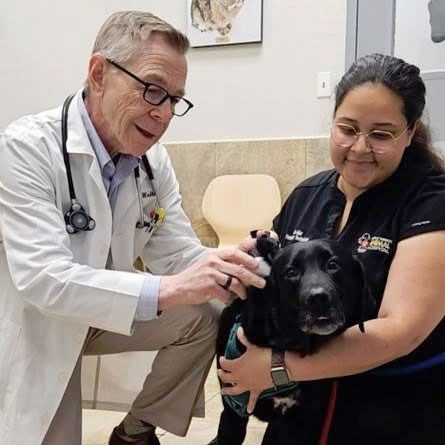
Not only can pets not tell us where they hurt, but they also instinctively hide pain and illness. This natural protective reflex can lead to trouble, as many pet health problems begin with subtle changes and go untreated until the signs become severe.
Fortunately, routine exams are an easy, effective way to monitor your pet’s health and detect problems sooner—before they become serious. Here are some of the most common hidden conditions we find during a pet’s routine exam, along with how often to schedule a visit.
Dental disease in pets
Your pet’s teeth may look normal, but your veterinarian’s trained eye can pinpoint the earliest stages of dental disease. This condition occurs largely below the gumline, destroying the tooth root and causing significant pain. Left untreated, chronic infection can lead to complications throughout your pet’s body.
Once diagnosed, your veterinarian can address dental disease with a comprehensive dental cleaning and X-rays under anesthesia. Routine cleanings and dental care can ensure your pet maintains good oral health throughout their life.
Changes in weight or muscle mass
While drastic gains and losses are often easy to spot, gradual shifts in weight or muscle mass can be difficult to notice. This is especially true for pets with thick or fluffy coats. However, such changes are key indicators of potentially serious conditions, including:
- Endocrine diseases like thyroid or adrenal disease
- Chronic pain from arthritis or joint issues
- Cancer
- Obesity
- Malnutrition
- Parasites
Regular exams allow us to track your pet’s overall health and body condition over time. This monitoring helps us detect not only sudden gains or losses but also steady patterns over weeks, months, or years.
Joint pain and arthritis
Mobility issues aren’t limited to older pets. Arthritis and orthopedic conditions, such as hip dysplasia, cruciate ligament disease, and luxating patellas, can also affect young pets.
Because affected pets don’t always limp, your veterinarian will palpate your pet’s joints, watch your pet move around the room, and ask key questions about their activity and behavior to detect hidden pain.
Lumps, bumps, and skin conditions
Pets can suffer from a variety of skin conditions, ranging from infections and allergies to cancer. However, many of these conditions can look alike. The only way to know whether a lump, bump, or wart is harmless—or when it needs treatment—is with diagnostic testing.
As with any condition, early evaluation and treatment are key. Your pet’s exam is a valuable opportunity for your veterinarian to assess your pet’s skin and coat for any concerning changes.
Heart and lung changes
Subtle changes in your pet’s heartbeat or breathing can signal serious underlying conditions. Heart murmurs, irregular rhythms, and lung changes often develop quietly and may not affect your pet’s behavior right away. Early assessment and monitoring at every exam allows our veterinary team to track changes over time, recommend additional testing if needed, and begin management (e.g., medications or therapies) before it impacts your pet’s quality of life.
Eye and ear conditions
Although often associated with redness, discharge, and other obvious signs, eye and ear problems can stay hidden until the condition is severe.
During the exam, your veterinarian will assess your pet’s eyes and ears using specialized instruments to detect inflammation, pressure changes, and early infection. Recognizing these shifts early may help prevent pain, vision or hearing loss, and more serious complications.
Irregular abdominal exam
Through gentle palpation of your pet’s belly, your veterinarian will check for changes in organ size, shape, or position. These findings may signal issues involving the liver, kidneys, spleen, or digestive tract. When these changes are detected, further testing—such as blood work or imaging—may help identify the cause, provide a diagnosis, and support targeted treatment before noticeable signs appear.
Medical reasons for behavior changes
Many behavior problems in pets, including anxiety, irritability, confusion, and reactivity, are mistakenly considered training problems. However, pain, illness, and cognitive changes (i.e., difficulty thinking), can be the underlying cause. During your pet’s exam, let us know about any behavior changes you’ve noticed in your pet. Ruling out medical issues before attempting to correct them through training ensures your pet receives the care they truly need.
But, my pet is healthy: The role of routine wellness testing
As you’ve seen, how our pets look and behave isn’t always the best indicator of their internal health. Routine wellness testing, including blood work, urinalysis, and screening for parasitic diseases, provides an inside look at your pet’s organ function and their overall well-being. Even when your pet’s results are normal, they serve a purpose. Healthy pet results help build a personal database or baseline for your pet, making future diagnoses faster and more accurate.
How often does my pet need an exam?
How often your pet should have an exam depends on their age and health. Our standard recommendations include:
- Puppies and kittens: Every 3 weeks until their vaccine series is complete
- Healthy adult pets: Every 6 months
- Pets with chronic conditions (such as diabetes, thyroid or heart disease, etc.): Every 3 to 6 months
Still unsure? Contact our team for a personalized recommendation for your pet.
Preventive, proactive care protects pets
Your pet may not always show you when they’re hurt or sick, but regular exams and preventive care at Tampa Bay Animal Hospitals help ensure earlier detection and faster, focused treatment. Don’t wait until something seems wrong; invest in your pet’s health with routine exams and wellness testing. Contact the location near you for more information or book an appointment online.
- Behavior (15)
- Caring for your pet (302)
- cat (24)
- Community Events (20)
- dog (25)
- From Our Clients (15)
- Happy Tails (13)
- News (466)
- Press (53)
- Products (2)
- Questions (4)
- Recalls (1)
- Special Offers (6)
- Tips & Advice (232)
- Uncategorized (81)
- Veterinary Services (50)
