Your Senior Cat May Look Healthy— but Hidden Disease Is Common
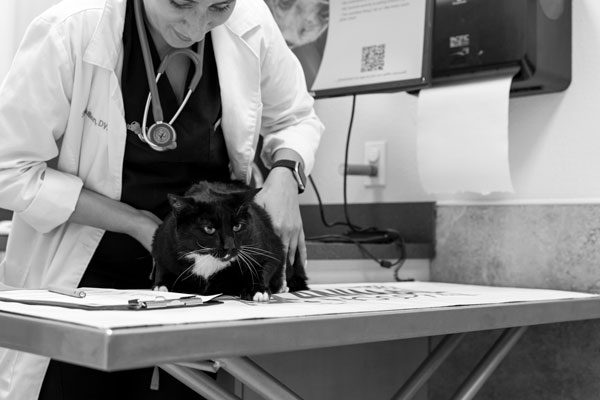
Routine screening can uncover problems before they become obvious—and before they become more difficult and costly to treat.
Cats are remarkably good at hiding illness. This survival instinct can make it difficult to recognize disease during its early stages—especially in senior cats. Changes such as sleeping more, losing a little weight, drinking more water, or becoming less active may be subtle or mistaken for normal aging.
A recent study demonstrates why routine senior wellness screening is so important.
Screening Found Problems in 42% of Older Cats
Veterinary researchers evaluated 549 cats age 8 and older who had no previously diagnosed disease requiring ongoing treatment. Each cat received a health assessment that included a medical history, physical examination, and blood testing. Most also had their blood pressure measured, and some received urine testing.
The results were striking: screening identified a condition requiring veterinary treatment or intervention in 42.1% of the cats.
Among the most common findings were:
- Hyperthyroidism: 19.2%
- Chronic kidney disease: 11.4%
- High blood pressure: 7.1%
- Severe dental disease: 6.1%
- Bacteria in the urine: 9.7% of urine samples tested
Screening also uncovered diabetes, suspected cancer, and gastrointestinal disease in some cats.
Why These Diseases Can Be Easy to Miss
Many age-related diseases develop gradually and may not cause obvious symptoms at first.
A cat with early kidney disease may seem completely normal even though the kidneys are already losing function. High blood pressure usually cannot be recognized at home, but it can damage the eyes, kidneys, heart, and brain—and may cause sudden blindness. Hyperthyroidism can initially appear to be nothing more than a good appetite or a small amount of weight loss.
Dental disease is also frequently underestimated. Cats may continue eating despite significant oral pain, making it easy for serious dental problems to go unnoticed.
Waiting until a cat appears sick can mean waiting until disease is more advanced, potentially more difficult to manage, and more costly to treat.
What Does Senior Screening Include?
Your veterinarian will recommend testing based on your cat’s age, health history, physical examination, and individual risk factors. A senior screening visit commonly includes:
- A complete physical and dental examination
- Body-weight and muscle-condition assessment
- Blood tests to evaluate the kidneys, liver, blood sugar, thyroid gland, and other organ systems
- Urinalysis
- Blood-pressure measurement
These tests provide more information than a physical examination alone. They also establish healthy baseline values that can be compared with future results, allowing your veterinary team to identify small but meaningful changes over time.
Earlier Detection Can Make a Meaningful Difference
Finding disease early does not always mean that extensive treatment will be necessary. It may allow your veterinarian to begin a special diet, medication, dental care, or closer monitoring before complications develop. Addressing a problem at this stage may also help avoid emergency visits, hospitalization, or more complicated—and expensive—treatment later.
Many senior cats with chronic kidney disease, hyperthyroidism, high blood pressure, and other conditions can maintain a good quality of life—particularly when the problem is recognized and managed early.
If your cat is 8 years of age or older, ask us about an appropriate senior examination and screening schedule. Even when everything appears normal at home, testing may reveal changes that your cat cannot show you.
Source: Bestwick JP, Elliott J, Orriss IR, Lötter N, Geddes RF. “Prevalence of disease in 549 older cats undergoing health screening at two United Kingdom-based veterinary clinics.” Journal of Veterinary Internal Medicine. 2026;40(4).
- Behavior (15)
- Caring for your pet (304)
- cat (26)
- Community Events (20)
- dog (26)
- From Our Clients (15)
- Happy Tails (13)
- News (468)
- Press (53)
- Products (2)
- Questions (4)
- Recalls (1)
- Special Offers (6)
- Tips & Advice (232)
- Uncategorized (21)
- Veterinary Services (50)