Location:

The Cat Doctors

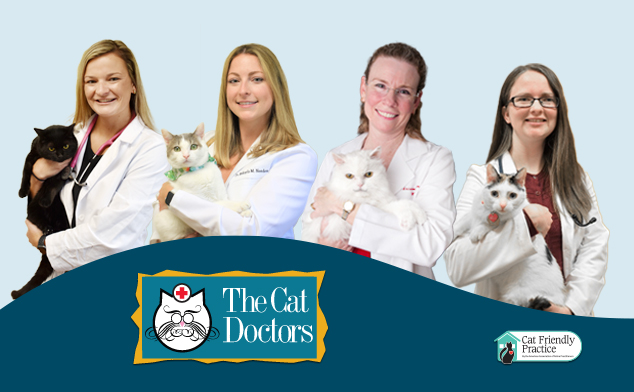
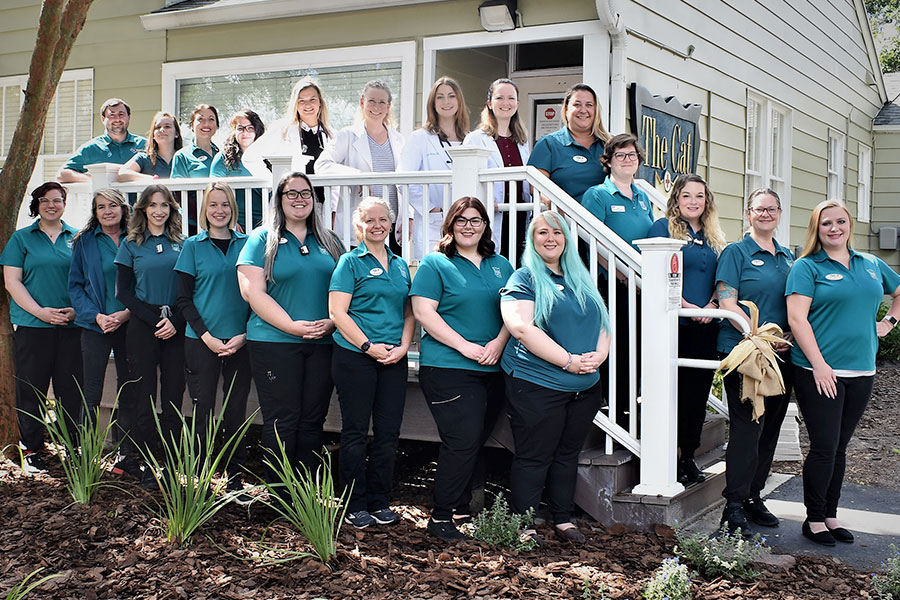
Welcome to The Cat Doctors, a full-service cat hospital located in South Tampa, Florida.
3221 W. Azeele St.
Tampa, FL 33609 (View map)
Hours:

Monday – Friday: 7am – 7pm
Saturday: 8am – 4pm
Sunday: Closed

Our Pebble Creek, North Bay, All Creatures, and Cheval locations are open Sundays from 8am-4pm

Schedule Appointment

Find us on

Quality Cat Care You Can Trust

If you live anywhere in Tampa Bay there’s no better place to bring your feline friends than The Cat Doctors of Tampa Bay Animal Hospitals.

At The Cat Doctors, we put cats first. We know they are every bit a part of your family as any person is, so we take care of them like they are a part of our family, too.

You don’t have to worry about your feline friend becoming over-stressed with all the scents and sounds of dogs barking or being distracted by other small creatures… at The Cat Doctors, cats are all we do. We work with you and your pets, focusing on education and prevention, to help your cats live their lives to the very fullest.

We are proud to deliver the highest standard in compassionate and comprehensive feline care! We are the one-stop-shop for cat owners from South Tampa, Hyde Park, Davis Island, Bayshore, and across the greater Sunshine State.
Avoiding Cat-Astrophy

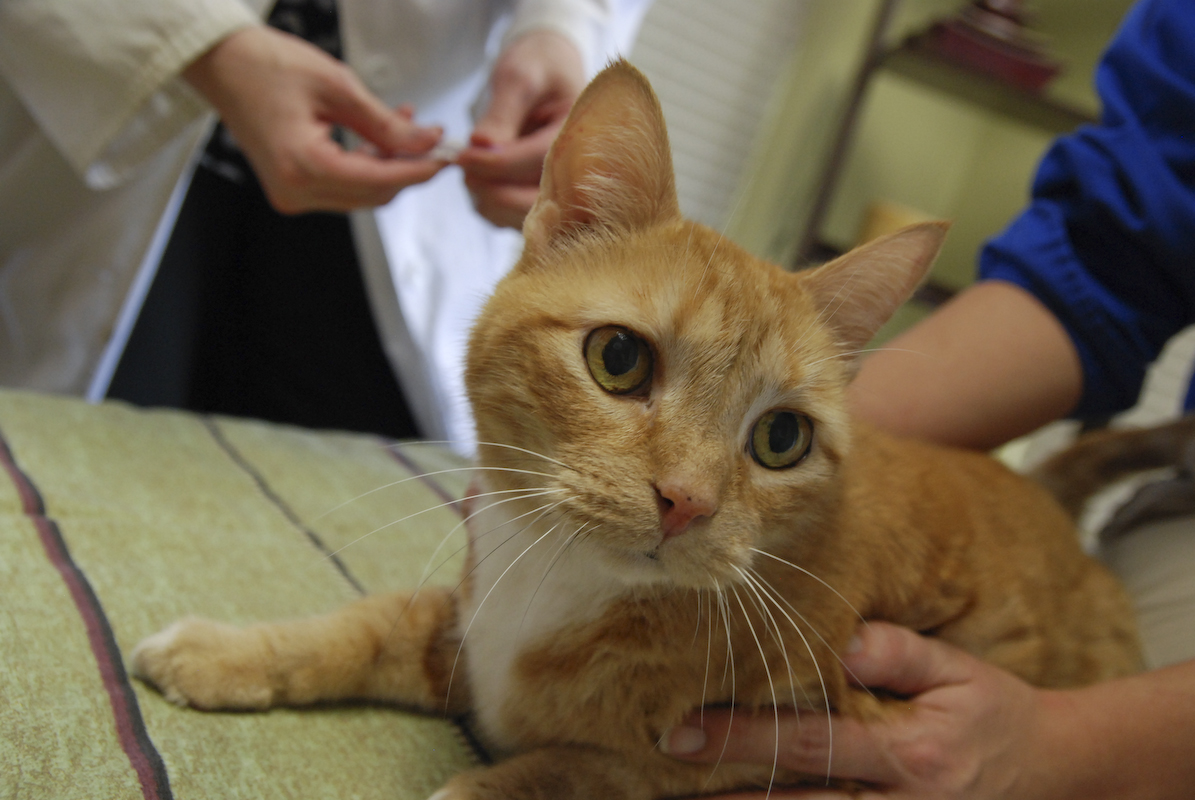
Cats are known for hiding their symptoms from their pet owners until they are well and truly sick — this is one of the main reasons we prioritize preventative care. It can’t be overstated, wellness checks are one of the key ways we keep your cats happy and healthy.

Whether you’ve just taken on the wonderful responsibility of a new kitten, or you’re caring for a lifetime companion, we know exactly what your cat needs for their stage of life and unique circumstances. You can count on us to prepare vaccinations and other preventative treatments based on your cat’s specific needs.

We are transparent when it comes to talking about your cat’s care. The veterinarian-client relationship is precious to us, and we greatly appreciate your trust.

We offer you to look at our list of services to discover what we can do for your cat. If you have any questions, you can give us a call at 813-448-7720 and we will get back to you as soon as we can. Feel free to ask any questions you may have, we’ll be happy to answer them!

Don’t take our word for it,
here are some of our reviews!
I’ve known the Cat Doctors for around 20+ years now. They've cared for my cats through all life stages with compassion and world-class feline health care. Their professionalism is purrfect! If only human health care were this good! Meet Cleo and Nadine, two happy clients who LOVE the Cat Doctors!
Professional, truly caring, compassionate, friendly team with excellent communication regarding my pets. Dr. Simon goes above and beyond to care for my furbabies. I had taken Bernadette in recently for dental cleaning, scaling, and x-rays. I felt at ease leaving her with their team members. They are knowledgeable and respectful when dealing with your cats. I highly recommend the Cat Doctors.
I’m new to the area and wasn't sure where to take my cats for their yearly exams. I was referred to Cat Doctors - and specifically to Dr. Vetter. Simply put, THEY’RE AWESOME. I felt Dr. Vetter had my cat’s best interest at heart, the prices were competitive, and she explained everything in a way that I could understand. I don’t plan on going anywhere else. I believe this vet clinic provides the best care for my two girls.
Staff Profiles

Our team members strive to meet and exceed the needs of every client and pet that visits us.

Dr. Timothy Lassett and Dr. Link Welborn are American Board of Veterinary Practitioners (ABVP) certified in canine and feline practice.

Link Welborn
DVM, DABVP
Christine Simon
DVM, Medical Director
Samantha Connolly
DVM
James Whitlow
DVM
Colby Burns
DVM, DACVS, DACVSMR
Cassandra Timken
CVPM, CCRA
Kelly Bennardo
CVT - Hospital Manager
Alayna
Veterinary Technician
Stay Connected!
Download Our App!
Keep your pet’s medical info at your fingertips using our NEW app. Please note: we will be switching to PetPage effective 12/31/2025. With this app you can:
  • One touch call and email our practice
  • Request appointments
  • Request food and medication
  • Receive notifications about hospital promotions
  • View lost pets in our vicinity
  • Contact Poison Control
  • Research pet symptoms, disorders, diseases and drugs from our trusted resource
  • View your pet’s upcoming appointments, medical care and vaccinations
  • Receive monthly reminders to give your pet’s heartworm and flea/tick prevention
  • Post your pet’s pictures and be Social with us on Facebook & Instagram
  • Find all of our locations the map
  • Search our website for discounts, offers, services

Click here for more info on our new app!

Veterinary Care Foundation (VCF)

The Veterinary Care Foundation is a 501(c)(3) not-for-profit charitable foundation created for the specific purpose of helping veterinary practices fund the discounted and no charge care they generously provide to hardship cases, rescue groups or as good Samaritans.

Unlike other veterinary charities, 100% of every contribution to the Veterinary Care Foundation and its member practices go directly to improving the quality of life of pets and their people; all Foundation operating expenses are met by membership dues paid by veterinarians.

We make it easy for clients to donate, and all donations are tax-deductible. The foundation’s criteria for use of donated funds include such situations as:

  • Good Samaritan cases
  • Owners experiencing a financial crisis
  • Elderly clients facing financial issues
  • CareCredit denied clients
  • Support for local service animals
  • Local disaster relief

It’s about accessibility: we want to help animals find care, even when their owners can’t afford it. For more info, to donate, or to apply, click here.

Scroll To Top

You assessed your cat's body condition score (BCS) to be to be 3 out of 9.

What does this mean? The BCS is an assessment of your cat’s general body composition, including muscle and fat. While a score of 4 to 5 is ideal, a BCS of 3 indicates that your cat is thin.

What to do next: While thin cats are generally at lower risk for serious health issues compared to overweight cats, being underweight can lead to decreased muscle mass, malnutrition, and a weakened immune system. Unless there is an underlying reason for your cat’s thinness, the situation can often be improved with simple lifestyle adjustments, such as:

  • Offering a palatable diet recommended by your veterinarian
  • Feeding small, frequent meals
  • Stimulating the appetite by warming the food or introducing toppers
  • Minimizing stress
  • Weighing your cat monthly
  • Re-checking your cat's BCS at home
  • Staying alert to other health changes (especially continued weight loss and appetite loss)

Your cat's BCS provides valuable insights into their overall health and helps us spot potential issues early. While a BCS of 3 isn’t an immediate cause for concern, it’s a sign that small adjustments to their feeding and care routine could have a positive impact on their health.

Questions? We can help. Let’s work together to score a win for your cat's health.

You assessed your cat's body condition score (BCS) to be to be 6 out of 9.

What does this mean? The BCS is an assessment of your cat’s general body composition, including muscle and fat. While a score of 4 to 5 is ideal, a BCS of 6 indicates that your cat is borderline overweight.

What to do next: Simple daily actions can help prevent your cat from becoming overweight. Even a few extra ounces or pounds can significantly impact their health, increasing the risk of serious conditions like diabetes, arthritis, and kidney disease.

Restore your cat's future health by:

  • Feeding portioned meals (Your veterinarian can assist you with how much to feed)
  • Reducing stress by minimizing household changes and maintaining a routine
  • Decreasing boredom with interactive toys, social interaction, and cat furniture
  • Separating pets during meal time (Consider a microchip-linked feeder for multi-cat households)
  • Weighing them monthly
  • Re-checking your cat's BCS at home

Your cat's BCS is like a warning light for their future health. Taking proactive steps to address your cat’s weight can minimize future complications and help ensure they stay fit, agile, and healthy.

Curious about other ways to improve your cat’s BCS and overall well-being? Get in touch. Let’s work together to score a win for their health.

You assessed your dog's body condition score (BCS) to be to be 4-5 out of 9.

What does this mean? The BCS is an assessment of general body composition, including muscle and fat. On a scale of 1 to 9, with 1 being very thin and 9 being obese, your dog's score means they are at their ideal weight for optimal health and well-being!

What to do next: First, give your dog a scratch behind the ears to celebrate your success! Your commitment to their preventive health—regular vet visits, balanced nutrition, and consistent exercise—is truly paying off. But don’t relax just yet—maintaining a healthy BCS takes ongoing effort throughout your dog's life, including:

  • Feeding portioned meals
  • Avoiding high-calorie treats, diets, and people food
  • Staying active with regular exercise
  • Re-checking your pet’s BCS monthly at home
  • Staying on top of routine care (exams, screening tests) to ensure early detection of health changes

Just like your dog's vital signs, their BCS gives valuable insight into their overall health. Right now, we like what we see—and feel! But remember, supporting your dog's lifelong health is a team effort. By continuing the great work you’re doing and partnering with us, we can help ensure they stay healthy for years to come.

You assessed your cat's body condition score (BCS) to be to be 7-8 out of 9.

What does this mean? The BCS is an assessment of your cat’s general body composition, including muscle and fat. While a score of 4 to 5 is ideal, a BCS of 7-8 indicates that your cat is overweight.

What to do next: Weight issues are a common cause of many feline health problems, some of which can shorten a cat's life. Fortunately, with your dedication and our support, your cat can achieve better health, mobility, and an ideal body weight.

Rather than asking your cat to participate in daily exercise, feline weight loss emphasizes targeted nutrition and stress reduction to help them shed those unwanted pounds. This entails:

  • Offering a palatable weight-management diet recommended by your veterinarian
  • Feeding portioned meals (Your veterinarian can assist you with how much to feed)
  • Using a microchip-linked feeder for multi-cat households to ensure each cat consumes their veterinarian-recommended portion
  • Minimizing stress by maintaining a stable routine
  • Decreasing boredom through positive interactions such as interactive toys, food puzzles, cat-friendly furniture, and social bonding
  • Promoting movement with motion-activated food toys and puzzles
  • Weighing them monthly
  • Re-checking their BCS at home

Overweight cats not only face long-term health risks but can also suffer from discomfort and emotional stress. Intentional, veterinary-supervised changes can help ensure your cat’s fitness, comfort, and overall well-being for years to come. Let’s work together to score a win for your cat's health.

You assessed your dog's body condition score (BCS) to be to be 3 out of 9.

What does this mean? The BCS is an assessment of general body composition, including muscle and fat. While a score of 4 to 5 is ideal, a BCS of 3 indicates that your dog is thin.

What to do next: Although a lean body condition is healthier than being overweight, thinness can indicate muscle loss, health changes, or a lack of appropriate nutrition. Here are a few ways to help your dog reach their optimal weight and health:

  • Follow any recommendations given by your vet (these are personalized for your dog's unique needs)
  • Gradually transition your dog to a calorie-dense diet
  • Weigh them monthly
  • Re-check their BCS at home
  • Provide regular moderate exercise to build healthy muscle
  • Monitor them for other health changes (appetite loss, vomiting, unusual stools, fatigue, etc.)

Just like your dog's vital signs, their BCS gives valuable insight into their overall health and can help identify potential issues early. While a BCS of 3 isn't a serious concern, it suggests that your dog may benefit from adjustments to their diet and exercise routine. Please continue to monitor your dog for any other health changes—including difficulty gaining weight—as these could indicate the need for further evaluation. Let’s work together to help your dog achieve better health, so you can make the most of every moment together.

Now that’s a perfect score.

You assessed your dog's body condition score (BCS) to be to be 9 out of 9.

What does this mean? The BCS is an assessment of general body composition, including muscle and fat. While a score of 4 to 5 is ideal, a BCS of 9 indicates that your dog is obese (weighing 20% or more above their ideal weight).

What to do next: Dogs with obesity are in significant danger of many life-altering health conditions, including arthritis, cardiovascular problems, kidney disease, and cancer. Reducing your dog's weight and improving their body condition is critical to restoring their comfort, mobility, health, and longevity.

Take action today to protect your dog's  health by:

  • Following any veterinarian’s recommendations (these are personalized to your dog's unique needs)
  • Using a measuring cup to portion meals
  • Removing uneaten food after 20 minutes
  • Limiting treats to low-calorie fruits or vegetables
  • Exercising daily for at least 30 minutes (leash walks are a great way to start)
  • Weigh them  monthly
  • Re-check their BCS at home

Just like your dog's vital signs, their BCS gives valuable insight into their overall health. In your dog's case, it’s a signal for immediate action.

By following the steps above and your veterinarian’s recommendations, getting your dog back to a healthy weight is possible, but it will take time and effort. That’s why we’re here to help you every step of the way.

Let’s work together to score a WIN for Sydney’s health.

You assessed your cat's body condition score (BCS) to be 1–2 out of 9.

What does this mean? The BCS is an assessment of your cat’s general body composition, including muscle and fat. While a score of 4 to 5 is ideal, a BCS of 1 to 2 indicates that your cat is very thin, at least 20% below their ideal weight. This may be caused by poor nutrition or an underlying illness.

What to do next: Since a BCS of 1 to 2 can indicate potential health concerns, your cat's veterinarian may suggest blood work or other tests.

In addition to following any plan outlined by your cat's veterinarian, the following steps may help them achieve their ideal weight and BCS:

  • Offering a palatable diet recommended by your veterinarian
  • Feeding small, frequent meals
  • Warming the food or introducing toppers
  • Feeding pets separately
  • Minimizing stress
  • Weighing them  monthly
  • Re-checking their BCS at home
  • Watching for other concerning signs, such as loss of appetite, vomiting, or changes in litter box habits, as these may require prompt veterinary care.

Just like your cat's vital signs, their BCS offers important insight into their overall health. While a BCS of 1 to 2 can be concerning, we’ll work together to help your cat safely achieve their optimal weight and vitality.

You assessed your dog's body condition score (BCS) to be to be 6 out of 9.

What does this mean? The BCS is an assessment of general body composition, including muscle and fat. While a score of 4 to 5 is ideal, a BCS of 6 indicates that your dog is borderline overweight.

What to do next: With just a few pounds separating your dog from being overweight, a BCS of 6 is a clear call to action! Excess weight can increase their risk for serious health problems, such as arthritis, heart disease, and even cancer, and studies have shown that it can shorten their lifespan.

Here are a few ways to help Gigi reach their ideal weight:

  • Follow any recommendations given by your veterinarian (these are personalized for your dog's unique needs!)
  • Use a measuring cup to portion meals
  • Don’t leave food out all day
  • Weigh them monthly
  • Re-check their BCS at home
  • Provide regular moderate exercise to build healthy muscle

Just like your dog's vital signs, their BCS gives valuable insight into their overall health and and can help identify potential issues early. While a BCS of 6 isn't dangerous, it does raise their risk for many life-altering conditions and signals a need for change.

Let’s work together to help your dog achieve a better BCS and overall wellness, so you can make the most of every moment together.

Now that’s a perfect score!

You assessed your dog's body condition score (BCS) to be to be 7-8 out of 9.

What does this mean? The BCS is an assessment of general body composition, including muscle and fat. While a score of 4 to 5 is ideal, a BCS of 7 to 8 indicates that your dog is overweight.

What to do next: Your dog's weight is putting them at an increased risk for many serious conditions, including arthritis, diabetes, cancer, and heart disease. Overweight dogs are also clinically shown to have a shorter lifespan and a reduced quality of life.

Thankfully, it’s not too late to get back on track! Here are some simple steps to help your dog achieve a better BCS and a healthier life:

Here are a few ways to help them reach their ideal weight:

  • Reduce meal portions by 10% to 20%
  • Use a measuring cup for accuracy
  • Switch to a weight management diet
  • Swap treats for low-calorie fruits and veggies
  • Increase daily walks and playtime
  • Use a food-dispensing toy instead of a bowl to encourage movement
  • Weigh them monthly
  • Re-check their BCS at home

Just like your dog's vital signs, their BCS gives valuable insight into their overall health and quality of life. The actions you take in the days, weeks, and months ahead can help them slim down, restore their well-being, and allow you both to make the most of every moment together.

Let’s work together to score a WIN for your dog's health and happiness.

Now that’s a perfect score!

You assessed their body condition score (BCS) to be to be 9 out of 9.

What does this mean? The BCS is an assessment of your cat’s general body composition, including muscle and fat. While a score of 4 to 5 is ideal, a BCS of 9 indicates that your cat is obese (20% or more over their ideal body weight).

What to do next: Cats with obesity are in a health crisis. Excess weight strains their joints, leading to painful and decreased mobility. In addition, abundant fat tissue increases their risk for life-altering diseases like diabetes, arthritis, kidney disease, heart disease, and cancer.

Let their BCS be a turning point in their health.

With simple lifestyle changes and guided support from our team, we can restore your cat's quality of life and help them lose those unnecessary pounds.

We’ll focus on nutrition and stress reduction to create positive results. This includes:

  • Offering a palatable weight-management diet recommended by your veterinarian
  • Feeding portioned meals (Your veterinarian can assist you with how much to feed)
  • Using a microchip-linked feeder for multi-cat households to ensure each cat consumes their veterinarian-recommended portion
  • Minimizing stress in your cat’s environment
  • Decreasing boredom through positive interactions (interactive toys, food puzzles, cat-friendly furniture, and social bonding)
  • Encouraging healthy movement and exploration (motion-activated toys, food puzzles, ramps to perches, scratching posts, cat tunnels)
  • Weighing them monthly
  • Re-checking their BCS at home

Your cat’s body condition is a key factor in their health and longevity. Together, we can score a victory by helping them lose weight and reclaim their health, happiness, and mobility.

You assessed your cat's body condition score (BCS) to be 4-5 out of 9.

What does this mean? The BCS is an assessment of your cat’s general body composition, including muscle and fat. On a scale of 1–9, with 1 being very thin and 9 being obese, this score means they are at their ideal weight for optimal health and well-being!

What to do next: First, give your cat a head bump or a scratch to celebrate your success! Your dedication to their overall health—through regular vet visits, balanced and portion-controlled nutrition, a low-stress environment, and plenty of physical and mental activity—is truly paying off.

But don’t relax just yet—maintaining your cat’s healthy BCS will take ongoing effort throughout their lifetime. Keep up the good work by:

  • Minimizing stress
  • Creating a mentally and physically stimulating environment
  • Satisfying your cat’s social needs with one-on-one time
  • Encouraging movement with interactive toys, perches, and furniture
  • Feeding measured portions of a veterinarian-recommended, high quality, palatable diet
  • Checking your cat’s BCS monthly at home
  • Staying on top of routine veterinary care

Just like your cat's vital signs, their BCS gives us valuable insight into their overall health. Right now, we like what we see—and feel! But remember, supporting your cat's lifelong health is a team effort. By continuing the great work you’re doing and partnering with us, we can help ensure they stay healthy for years to come.

You assessed your dog's body condition score (BCS) to be 1–2 out of 9.

What does this mean? The BCS is an assessment of general body composition, including muscle and fat. While a score of 4 to 5 is ideal, a BCS of 1 to 2 indicates that your dog is very thin, at least 20% below their ideal weight. This may be caused by poor nutrition or an underlying illness.

What to do next: Since a BCS of 1 to 2 can indicate potential health concerns, your dog's veterinarian may suggest  blood work or other tests.

If no issues are found, the following steps may help your dog achieve their ideal weight and BCS:

  • Gradually transitioning them to a calorie-dense diet
  • Feeding more frequent meals
  • Weighing them monthly
  • Re-checking their BCS at home
  • Providing regular moderate exercise to build healthy muscle
  • Monitoring them for other health changes (appetite loss, vomiting, unusual stools, fatigue, etc.)

Just like your dog's vital signs, their BCS offers important insight into their overall health and can serve as an early warning that something may be wrong. While a BCS of 1 to 2 can be concerning, please know that your pet's well-being is our top priority. Let’s work together to help your pet pal achieve better health, so you can make the most of every moment together.