5 Reasons Why Preventive Care Planning Creates Future Savings
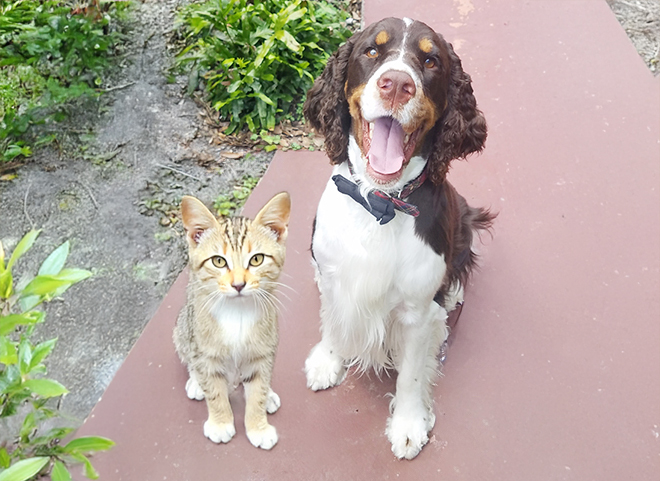
Does your pet’s medical health routine need a refresh? The new year is the perfect time to recommit to their long-term well-being and create a plan for year-round care.
Preventive care planning goes beyond the promise to “do better” this year—it turns resolutions into action. Here are five reasons why a preventive care plan promotes better health for your pet—and less stress for you!
What is preventive care planning?
Preventive care planning is simply taking time to map out your pet’s health needs for the year ahead. This includes:
- Routine vet visits (wellness exams and vaccines)
- Annual services like dental cleanings
- Expected costs and knowing how you’ll pay for them
- At-home care tasks to maintain wellness between visits
Having a plan helps keep your pet healthier and more comfortable while making pet care easier to manage.
5 Reasons why you need a preventive care plan
Despite your best efforts, life with pets can be unpredictable. Preventive care planning helps you stay in control of things you can manage and stay prepared for the unexpected. Here’s how planning now can ensure a year of greater pet health and less stress.
#1: Preventive care planning helps us detect health problems early
Routine veterinary visits provide a chance to identify small changes in your pet’s health before they become larger issues. The sooner these things are detected, the faster your pet can receive care. In addition, early interventions are often less invasive, more effective, and more affordable, helping prevent more serious conditions and costly care. Translation: Less discomfort and illness for your pet, and greater confidence for you.
#2: Preventive care planning provides financial peace of mind
Preventive care planning includes considering how you’ll manage and pay for your pet’s expected and unexpected care. This may include pet insurance, or a payment plan like Cherry.
Enrolling in one or both of these options before your pet needs care ensures you’re ready to say “Yes” when they need it, without financial hardship.
#3: Preventive care planning helps you manage care costs
Planning your pet’s care for the year helps you budget and avoid large lump-sum expenses. Instead of doing all vaccines and services in one visit, you can spread them out over several appointments, making costs easier to handle. Heartworm and flea prevention are extremely important for dogs and cats in Florida. Having your pet’s prevention mailed to you from our online pharmacy or having the veterinarian administer a prevention injection that lasts 6 or 12 months are additional ways to help spread out the cost of care. These options give you time to plan ahead and confidently approve the care your pet needs.
The financial options above can help make those planned costs even more manageable.
#4: Preventive care planning helps you avoid preventable problems
Many serious, sometimes heartbreaking, pet health conditions can be prevented with consistent care. In addition to identifying hidden health concerns, preventive care visits provide a layer of protection that includes:
- Vaccinations — Vaccines protect against infectious diseases such as rabies, distemper, and parvovirus in dogs, and feline leukemia and calicivirus in cats.
- Screening tests — Routinely checking your pet’s blood and urine through laboratory testing can help watch for serious diseases that may impact your pet’s kidneys, bladder, liver, heart and other organs. Intestinal parasite testing can also detect exposure to harmful disease-causing pests.
- Parasite prevention — Year-round heartworm, flea, and tick preventives create a strong defense against parasite infestations and dangerous diseases and are necessary in Florida.
#5: Preventive care planning builds healthy habits for year-long wellness
Preventive care planning creates a system to help you manage everyday care. Adding one or two healthy habits to your pet’s routine is a simple way to support better health and detect potential issues early. From juvenile to adult to senior and geriatric pets, working with the veterinarian will help your pet feel their best and extend their life.
Examples of powerful habits include:
- Educate yourself and your family
- Brushing your pet’s teeth daily if they will safely tolerate it
- Providing a daily exercise routine that’s appropriate for your pet’s age and mobility
- Food is medicine. Making certain your pet is eating the best type of pet food for their metabolic needs and age. Feeding your pet a measured portion of food (Not sure which food is best or how much? Ask us!)
- Weighing your pet monthly
- Brushing your pet daily and checking for lumps, bumps and skin issues
- Watching for signs of pain or discomfort in your dog or cat
Action! Simple steps to help you get started
The new year is already underway. Take action today to ensure your pet’s year-long health and peace of mind. Potential steps include:
- Mapping routine care — Contact us or check your pet’s records to find out what’s due and when. Or use our App or Client Portal.
- Pre-booking appointments — Booking early helps you secure your preferred days and times and eliminates the need to call when the service is due.
- Explore pet insurance and other payment options — This website will help you choose what’s right for your situation and be ready for future care costs.
- Set reminders — Create recurring phone or calendar reminders for ongoing tasks like parasite prevention or grooming.
- Choose one at-home habit — Select a task that you can easily incorporate into your current routine. Focus on keeping the habit for 30 days. Make a list of other habits to add once the first one is solid.
A little planning now for less worry later
Preventive care planning can seem unnecessary—until your pet’s health changes or their care costs increase. Starting the year with a system in place and a sense of direction turns uncertainty into preparedness and helps you focus on what matters most: your pet’s well-being and longevity.
Ready to schedule your pet’s appointments for the new year? Interested in payment options? Contact your preferred Tampa Bay Animal Hospitals location to get started.
- Behavior (15)
- Caring for your pet (293)
- cat (17)
- Community Events (20)
- dog (18)
- From Our Clients (15)
- Happy Tails (12)
- News (455)
- Press (53)
- Products (2)
- Questions (4)
- Recalls (1)
- Special Offers (6)
- Tips & Advice (231)
- Uncategorized (21)
- Veterinary Services (49)
